
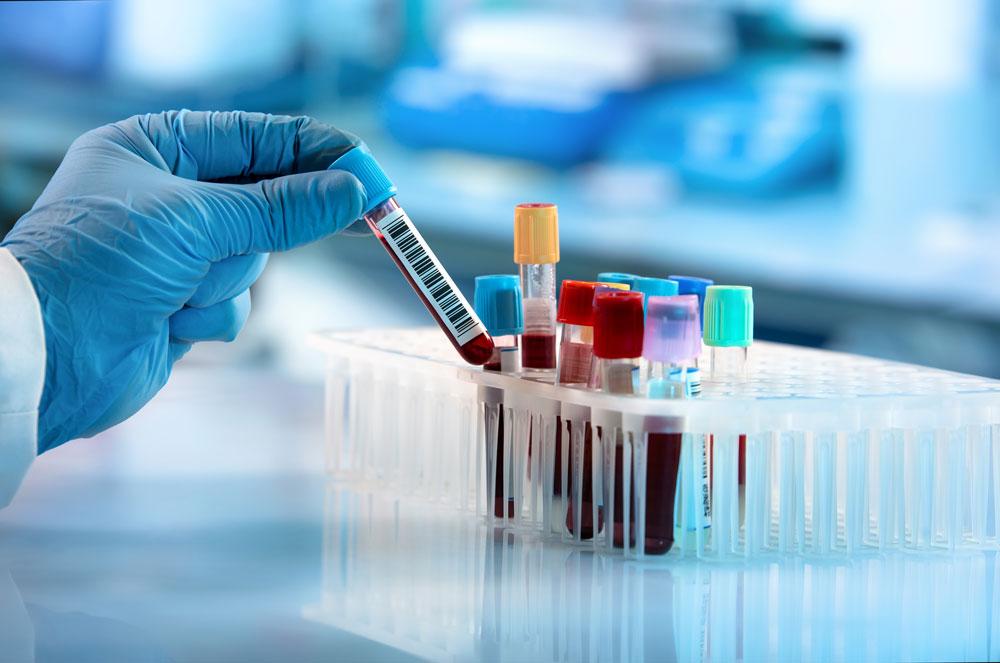
As part of NHS’ national genetic testing, hundreds of potential kidney donors of Black African and Black Caribbean heritage will be able to take a blood test to reduce the risk of kidney failure.
The NHS intends to carry out 160 tests a year to identify people with variants of the ‘APOL 1’ gene, which is associated with being at a higher risk of kidney failure. This is more common in people of Black African and Black Caribbean heritage, and healthcare inequalities mean that more people of Black African and Black Caribbean descent are likely to develop kidney disease than those of white heritage.
Following APOL1 testing, those known to be at high risk of developing kidney failure in later life and under 60 years old, will be advised against donating their kidneys. These individuals will also be able to receive regular monitoring and kidney checkups, as well as advice about lifestyle changes to reduce the risk of developing kidney disease in the future.
Approximately 1,000 people each year donate one of their kidneys to someone with kidney failure, and research shows that around three in five people with two high-risk genes develop kidney disease after donating kidney.
Thus, the genetic test will look for the genes in all people of Black African and Black Caribbean heritage who are considering becoming a kidney donor to help assess whether potential donors are at risk of developing kidney failure later in life. The NHS expects to conduct around 500 tests within the next three years
Testing is now available nationwide, with samples being sent to the South West and South East Genomic Laboratory Hubs for analysis.
Amanda Pritchard, chief executive of NHS England, said: “It’s great news that this sample blood test on the NHS will protect donors of Black African and Black Caribbean heritage who are selflessly coming forward to try and save lives.
“We know kidney failure disproportionately affects people from Black African and Black Caribbean heritage and this genetic test will not only help keep potential donors safe from future kidney disease, but it will also enable NHS staff to monitor those most at risk, which could ultimately improve hundreds of lives.
“This is just the latest example of how the NHS is harnessing the full force of genomic medicine to prevent future ill health, improve the lives of patients and, at the same time, to address healthcare inequalities to improve the lives of all NHS patients.”