
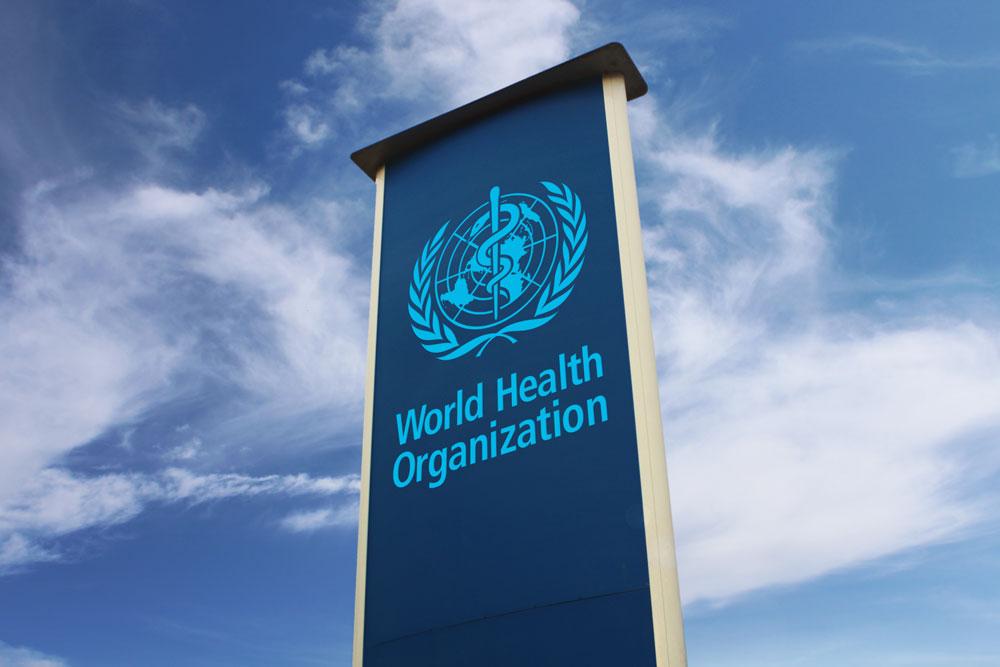
The UK has signed a new World Health Organisation (WHO) Pandemic Agreement, which is a collective effort to improve the way countries around the world collaborate to prevent, detect and combat pandemic threats, and will strengthen the UK’s own prevention strategy. The UK is one of 124 member states who agreed to adopt the Pandemic Agreement.
The agreement, after negotiations that the UK participated in, was adopted at the World Health Assembly in Geneva and encourages collaboration among countries to address shared global health threats, although WHO is unable to improve domestic public health decisions on the UK.
This follow the COVID-19 pandemic, which cost many brits their loved ones, caused children to miss out on vital learning, and cost the government over £300 billion. The new Pandemic Agreement will help prevent a situation like this again by creating a framework for countries to take action to better prevent pandemics.
This will be done through measures like improving disease surveillance, accelerating the developing of vaccines and treatments, and encourage quicker pathogen data sharing, so countries, including the UK, can be better equipped in case of emergency.
The Pandemic Agreement also facilitates a new and voluntary Pathogen Access and Benefit Sharing (PABS) system which could allow pharmaceutical companies to access pathogens and genetic sequences needed in developing vaccines much faster, in return for manufacturers who agree to sign up sharing a portion of their production with WHO to allocate where needed most.
The PABS system is completely voluntary, and there is no obligation for government to share vaccines or treatments they have purchased.
Minister of state for international development, Baroness Chapman, said: “The Pandemic Agreement is a great example of the UK working with our partners to support countries to combat disease and strengthen their health system. Acting together will help us to repent pandemics, and prepare for and respond to any future pandemic threats.
“Diseases cross borders, and our diplomacy must too, if we are to prevent a repeat of the devastation caused by COVID-19. That’s why this agreement will make the world a healthier and safer places.