The government has announced plans for New Neighbourhood Support Teams to keep 1.8 million people out of hospital.
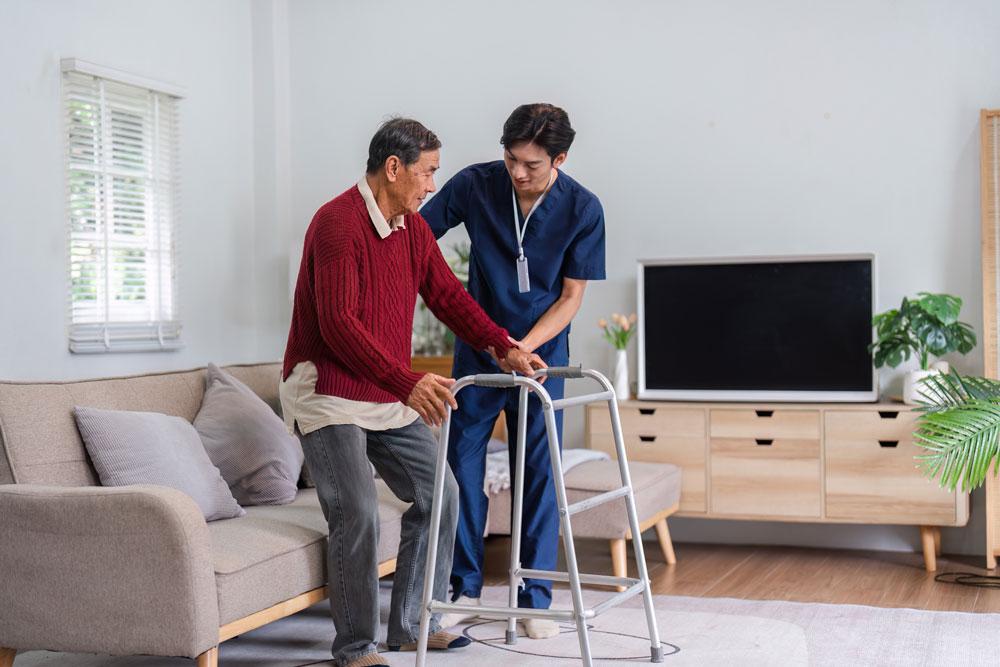
The teams will provide dedicated and personalised care to the most vulnerable patients to keep them out of hospital.
The NHS will be required to proactively identify the most vulnerable people in their communities, including frail older people, people living with dementia, those in care homes and people approaching the end of life, so that the support teams can work together to help each individual avoid the need to go to hospital.
The most frail and vulnerable patients and their families will have a dedicated single point of contact, regular check ins from teams who know the patient to make sure they are getting the right support, and a care plan built around their specific needs.
More than half a million people, at least one per cent of the population of England will receive dedicated support under these plans by April 2027.
Around three to five per cent of the population currently account for approximately 70 per cent of emergency bed days. It is estimated that the earlier support being provided to these individuals could cut around 4.3 million bed-days, generating net savings of more than £1 billion to the NHS each year.
Health and Social Care Secretary Yvette Cooper said: "Today we are setting a national ambition that, by the end of the decade, people with the greatest health and care needs will no longer have to fight their way through the system to get the support they need.
"Starting now we will bring together health and social care in the community, looking after those who need most support in a radically different way.
"This is a fundamental change in the relationship between vulnerable people and the health and care system: from having to navigate fragmented services themselves to having a team that knows them, looks out for them and takes responsibility for their care."
Dr Emma Rowland, NHS executive director for performance and delivery, said: "We want to be there for the most vulnerable patients and their families around the clock, offering them the support they need to avoid unnecessary and stressful trips to A&E and stays in hospital.
"By working with GPs who know their patients best, we can put in place a network of support and expertise for some of our most vulnerable patients and their families, helping them stay well, get the care they need closer to home and also free up vital NHS beds."