
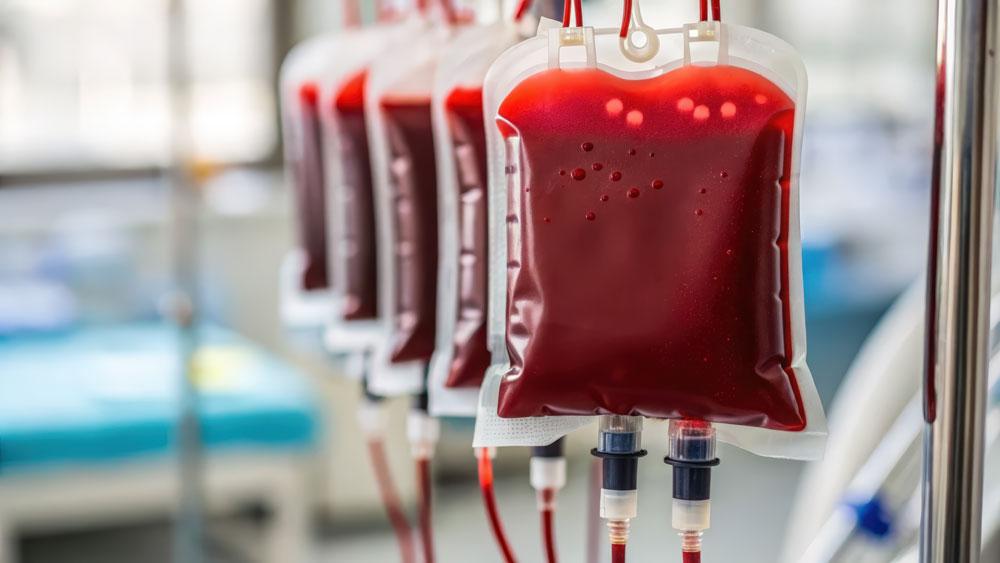
As part of an NHS drive to find undiagnosed patients affected by the contaminated blood scandal, all new patients registering at a GP practice will be asked if they’ve had a blood transfusion before 1996.
This will equate to around 400,000 people, which is half of the number of online new sign-ups, who will be offered a hepatitis C test if they had a transfusion before 1996. Patients will be able self-test using an at-home kit, or be able to access testing at GP surgeries, sexual health clinics, and other services.
Hepatitis C, which affects the liver, often has no noticeable symptoms until the liver is already damaged, and can be life-threatening. Once diagnosed, the success rate of cure is 90 per cent when patients take direct-acting antivirals for several weeks.
This new protocol will take effect from 16th June 2025, following a recommendation from Sir Brian Landstaff in the Infected Blood Inquiry Report, which was published in May 2024.
NHS England has issued new guidance to GPS on introducing these questions to newly registered patients born on or before 31 December 1995.
Professor Sir Stephen Powis, NHS national medical director, said: “The failures of the contaminated blood scandal have had a horrifying impact for patients and their families for decades, and I would like to reiterate our deepest apologies for the role the health service played in the suffering and loss for so many.
“The NHS is dedicated to implementing the inquiry’s recommendations and this simple change to the GP registration process for patients is a vital step forward in ensuring that nobody affected by contaminated blood is living undiagnosed and unsupported.
“By routinely checking their risk when anyone signs up to a new GP and offering fast hepatitis C tests where necessary, we will ensure any undiagnosed cases can be found and treated as quickly as possible, while enabling thousands more to receive the reassurance of a negative test”.