
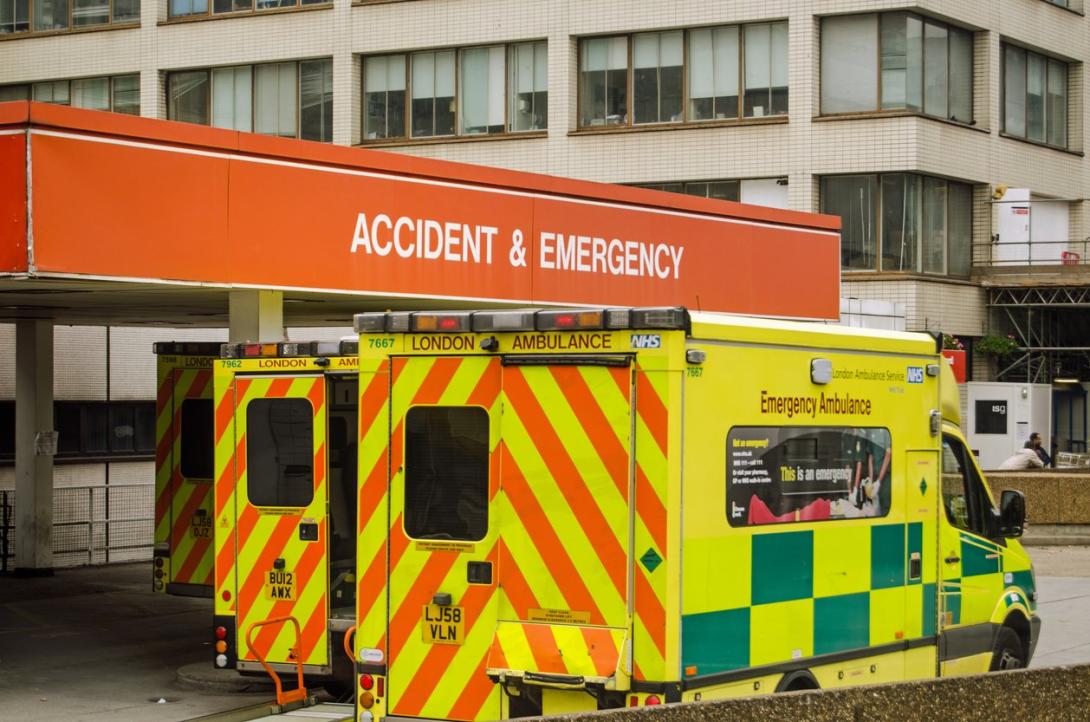
Emergency departments across the UK are seeing very high numbers of young children for this time of the year because of a rise in infections usually seen in the winter.
The Royal College of Paediatrics and Child Health has heard from paediatric emergency medicine doctors around the country describing pressures on their emergency department from an increase in children being brought in with mild fever by anxious parents. Many parents have not seen fever in their child – particularly if they were born during lockdown – and are taking them to A&E rather than seeking help at pharmacies, their GP, NHS 111 or online.
The increase in cases of children with fever is related to a rise in respiratory infections such as RSV (respiratory synctial virus) and bronchiolitis, paraflu, and rhinovirus, all of which produce symptoms of coughs, runny nose and fever. These infections, which are usually mild, are mostly seen in the winter months, but the easing of lockdown has meant that children are being exposed to them this summer as they come back into contact with other children.
The RCPCH, the Royal College of Emergency Medicine (RCEM) and the Royal College of GPs (RCGPs), have issued advice on how parents can treat children with mild fever and when to seek help.
Dr Camilla Kingdon, President of the RCPCH, said: “Many emergency departments are currently overwhelmed and there has been a particularly steep rise in the number of young children presenting. Some have seen the highest ever numbers of children in their department and waiting times can be huge.
“The biggest increase we’re seeing is in children with mild fever. Fevers are very common in young children and usually aren’t serious. But many parents haven’t seen fever in their child before and are worried, particularly if they don’t have their usual sources of support to turn to, such as parent groups. Most of these children are fine and have returned home once their parents were reassured. But that takes time. With departments already under huge pressure, we need to make sure that services are available for children who are seriously unwell.”
Martin Marshall, chair of the Royal College of GPs, said: “In an emergency, as outlined in this advice from our three Colleges, A&E is the appropriate place to take a child. We hope this guidance will help parents to be able to make a decision about what is an emergency. In most cases of mild fever, runny nose or cough, simple self-care measures such as taking paracetamol or ibuprofen can help, but in cases where parents are concerned, seeking medical assistance from a pharmacist, their GP or by calling 111 is the appropriate first port of call.
“GPs and our teams are under huge pressure at the moment but delivering care to young children is an essential part of our job, and we see tens of thousands of children in general practice every day. We understand that it's a really difficult time to be a parent of a young child, particularly if the child has been born during the pandemic, as many of the usual support services parents rely on have not been available, and we hope they find this guidance helpful when making decisions about their child’s health.”