
From 31 March, rules around workplace recycling changed, meaning that all workplaces must separate their waste before it is collected and this includes the NHS
The rules apply to all businesses, charities and public sector organisations, including offices; retail and wholesale; transport; hospitality; entertainment and sports venues; construction sites; and venues for temporary events like festivals and shows. They also apply to educational venues and healthcare places and care homes. While this is not a comprehensive list, it is likely that any workplace that employs more than 10 members of staff, will be in scope.
Micro firms with fewer than 10 full time employees have until 31 March 2027 to comply.
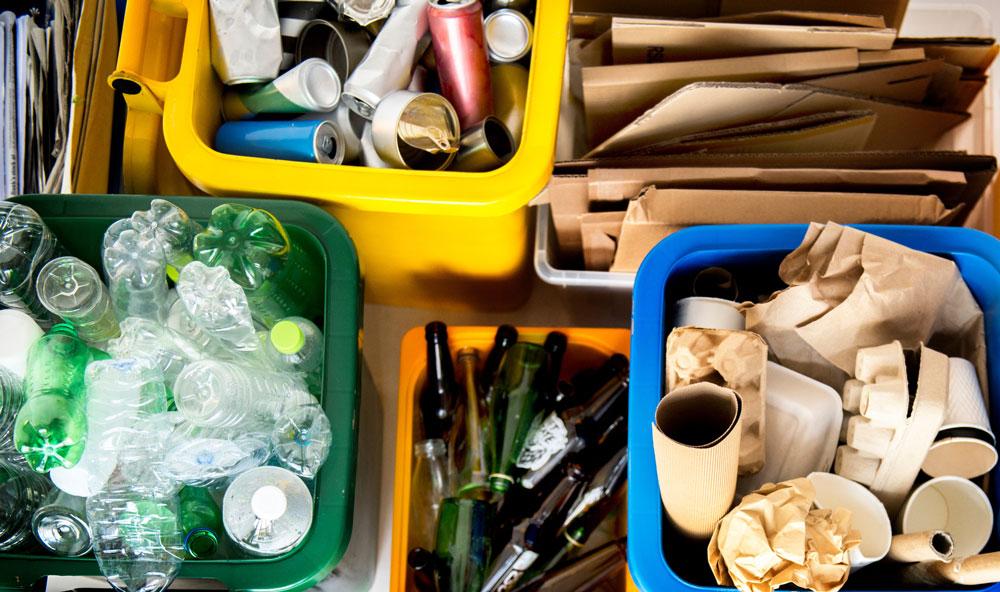
In practice, the Simpler Recycling rules mean that workplaces must separate dry recyclable materials; food waste; and non-recyclable waste (also called residual waste). Dry recyclable waste includes glass (e.g. drinks bottles and rinsed empty food jars); metal (e.g. drinks cans and rinsed empty food tins, empty aerosols, aluminium foil, aluminium food trays and tubes); plastic (e.g. rinsed empty food containers and bottles); and cardboard (e.g. newspapers, envelopes, boxes and cardboard food packaging).
The rules apply to ‘domestic waste’, non-hazardous municipal waste. They do not apply to clinical waste.
Food waste must be collected separately, even if the workplace does not serve food or have a kitchen. This could include things like food leftovers, including from customer or staff meals; banana skins and apple cores; coffee grounds and tea bags; and waste from food preparation, such as onion skins or potato peel.
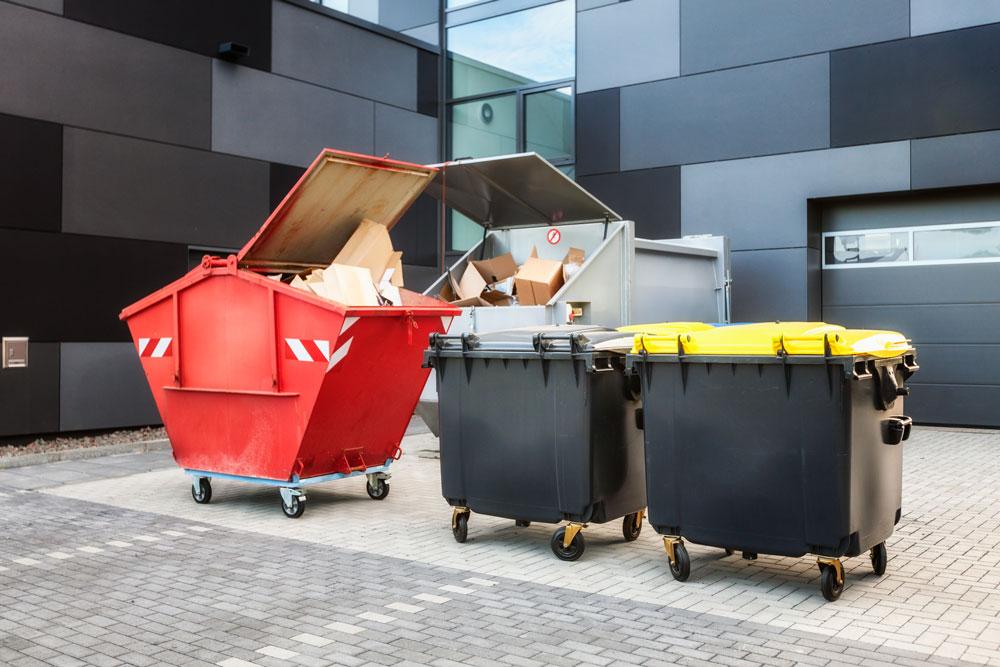
So either workplaces need to have separate bins for each type of waste, or separate the waste before collection.
Workplaces can decide on the size of containers and frequency of collections based on the volume of waste produced.
If the workplace produces garden waste, it must be arranged for it to be recycled or composted if it delivers the best environmental outcome.
Organisations should discuss the requirements with their waste collector and arrange separate dry recycling, food waste and non-recyclable waste collection. If your current waste collector does not offer the full range of collection services, you will need to arrange these services from other providers.
Legal requirements
Workplaces have a legal duty to ensure waste disposal is safe, secure and legal and to also take all reasonable steps to keep waste to a minimum.
Waste Management contractors have a legal obligation to make sure any separately collected dry recyclables are sent for recycling and that any non-recyclable waste is correctly managed.
Any workplace that does not comply with these requirements is at risk of receiving a compliance notice from the Environment Agency. It is an offence to not comply with a compliance notice and enforcement action may be taken by the Environment Agency.
Benefits of recycling and waste elimination
As per the waste hierarchy, organisations are reminded that the most effective approach to waste management is to prevent waste from being created in the first place. Waste prevention not only reduces the environmental impact but also saves valuable resources and can lead to significant cost savings. In a public sector context, this means assessing procurement practices, reducing unnecessary packaging, and encouraging sustainable behaviours across staff and service users.
If waste does occur, the next best option is to prepare it for reuse – extending the life of materials and equipment wherever possible. This could include reusing office supplies, donating surplus items, or implementing internal reuse schemes. Recycling should then be considered, ensuring materials like paper, plastics, metals, and food waste are properly sorted and processed.
Recovery can then be considered, for example energy recovery from surplus waste. Disposal via landfill should always be the last resort, given its long-term environmental consequences and associated costs. By following the waste hierarchy, public sector organisations can make informed, responsible decisions that align with both regulatory requirements and wider environmental goals.
Recycling provides many significant benefits, both for the environment and within the workplace. Environmentally, it plays a vital role in reducing greenhouse gas emissions, conserving natural resources, and protecting ecosystems. According to RecycleNow, current UK recycling efforts are estimated to save more than 10–15 million tonnes of CO2 each year – an important contribution to the country’s climate goals.
For public sector organisations, which are often bound by government sustainability targets and net zero commitments, recycling is not just a legal obligation but a strategic priority. Many councils, NHS trusts, schools, and other government bodies have set out clear environmental objectives, and effective recycling is a key component in achieving these. By actively managing and reducing waste, public sector organisations also set a positive example for the communities they serve. The NHS itself has its own net zero commitments, and recycling is a key contributing factor.
Beyond environmental impact, waste reduction and recycling can improve operational efficiency. When waste is prevented or materials are reused, it can streamline internal processes, reduce the need for frequent collections, and limit over-reliance on costly disposal methods. In many cases, recycling services are more cost-effective than general waste disposal, meaning organisations can realise financial savings alongside environmental gains.
Ultimately, embedding a culture of recycling and waste minimisation supports both long-term sustainability and smarter resource management across the public sector.
WRAP has guidance on its website aimed at different types of workplaces. This has specific guidelines for health and social care.
Communication
It is important to communicate the changes to your workforce – an email to all staff, posters in key areas and clearly marked bins are all simple and efficient steps to make your new regime effective.
Waste containers should be large enough to hold the waste and recycling between emptying, but not too large that they are difficult to move. They should also have lids or covers to keep materials dry and to stop waste escaping. Containers should be labelled clearly.
Remember, there is always room for improvement. As your organisation starts to recycle more, the amount of general waste you produce should also decrease. This means you should be able to reduce your number of general waste bins, or have them emptied less often, which in turn could save you money.
The introduction of Simpler Recycling rules represents an important shift in how waste is managed across all workplaces, including public sector organisations. From healthcare facilities and schools to council offices and emergency services, the requirement to separate dry recyclables, food waste, and residual waste supports the sector’s wider environmental goals, including net zero commitments. Public bodies have a responsibility not only to comply with these legal obligations but also to lead by example in sustainable waste management.
By engaging with waste contractors, reviewing internal processes, and using sector-specific resources, public sector organisations can ensure smooth compliance. In doing so, they help reduce environmental impact, improve operational efficiency, and demonstrate their role as sustainability leaders in their communities.
Simpler Recycling guidance can be found here.