
New data from the UK Health Security Agency (UKHSA) has shown that antibiotic use within the NHS is below 2019 pre-pandemic levels but private prescribing has increased.
The figures show that the total number of antibiotic-resistant infections in 2024 equates to an average of nearly 400 newly reported cases per week.
Cases of bacteraemia caused by antibiotic-resistance, have increased by 9.3 per cent since 2023, rising from 18,740 cases in 2023 to 20,484 cases in 2024. Meanwhile, the estimated number of deaths in people with a resistant infection also increased from 2,041 deaths in 2023 to 2,379 deaths in 2024.
The English surveillance programme for antimicrobial utilisation and resistance (ESPAUR) report shows that 65 per cent of antibiotic-resistant bloodstream infections in the last 6 years were caused by E. coli.
Between 2019 and 2024, NHS primary care antibiotic use decreased (from 14.21 to 13.96 DID), while private dispensing in community pharmacies more than doubled (1.95 to 3.93 DID). Overall, primary care antibiotic use (NHS and private non-NHS) rose by 10.7 per cent between 2019 and 2024, reflecting a large rise in private prescriptions, with 22 per cent of antibiotics in 2024 dispensed through the private sector.
Professor Susan Hopkins, chief executive of UKHSA, said: "Antibiotic resistance is one of the greatest health threats we face.
"More people than ever are acquiring infections that cannot be effectively treated by antibiotics. This puts them at greater risk of serious illness and even death, with our poorest communities hit the hardest.
"We are united with partners globally in finding new ways to tackle this complex problem.
"This includes using antibiotics in a way that doesn’t contribute to the spread of resistance, researching new types of treatments and preventing infections from occurring in the first place."
"It’s positive that we’ve seen antibiotic use fall in England within the NHS but we need to go further, faster.
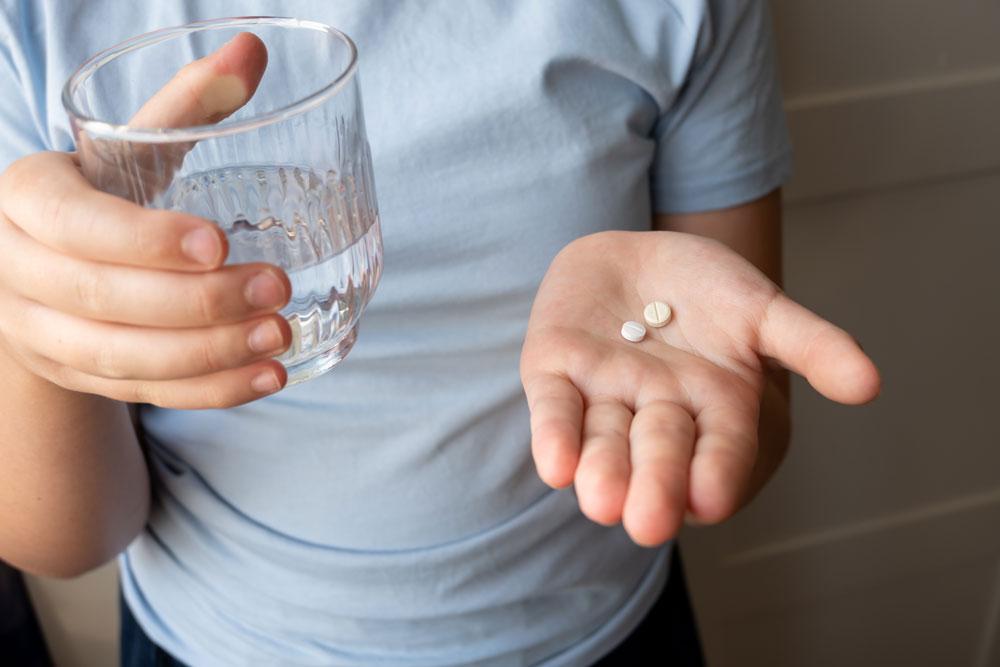
"Please remember to only take antibiotics if you have been told to do so by a healthcare professional. Do not save some for later or share them with friends and family. If you have leftover antibiotics, please bring them to a pharmacy for appropriate disposal.
"It’s also important to take up the vaccinations you are eligible for to help stop infections in the first place."
Health minister Zubir Ahmed said: "Antimicrobial resistance (AMR) is one of the most serious threats to public health, both in the UK and globally. These figures demonstrate the scale of the challenge we face and underline why tackling AMR is a key priority for this government.
"It is deeply concerning that people in our most deprived communities are disproportionately affected by antibiotic-resistant infections. We are determined to address these inequalities as part of our 10 Year Health Plan to ensure everyone, no matter where they live, gets the care they need.
"We will continue working closely with UKHSA, the NHS and international partners to tackle this growing threat. Everyone has a role to play – by using antibiotics responsibly, taking up vaccinations, and following the advice of clinicians, we can all help preserve these vital medicines for future generations."