
AI-driven heart scans, which are removing the need for invasive tests, are speeding up diagnosis and saving the NHS millions.
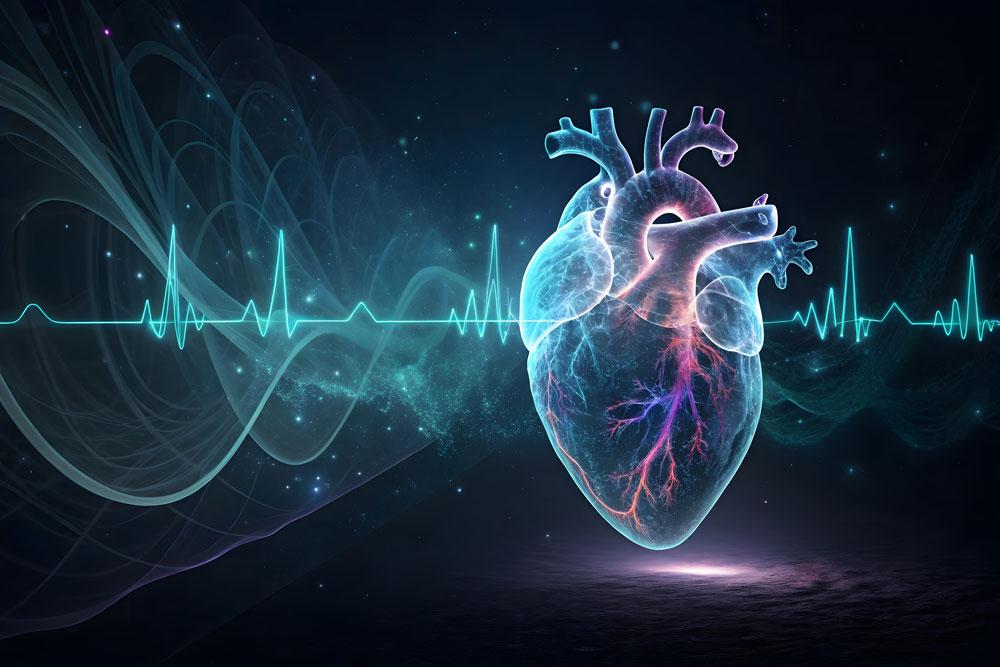
The technology has been rolled out across 56 NHS hospitals in England. It enables doctors to diagnose and treat patients with suspected heart disease much faster by turning a CT scan of their heart into a personalised 3D image which is then analysed using AI.
The tool is enabling faster diagnosis for tens of thousands of patients at risk of potentially life-threatening coronary heart disease, while at the same time, freeing up capacity in the NHS.
A study investigating the use of the technology, published in Nature Medicine, found that it reduced the number of patients needing invasive angiogram tests by a sixth in cases where it was later found no further treatment was required – and by 7 per cent overall.
Data from the NHS shows that over 24,300 patients so far have benefitted since the technology was rolled out on the NHS in 2021, saving the NHS an estimated £9.5m – equivalent to around £390 per patient.
Dr Vin Diwakar, national director of transformation at NHS England, said: “It is fantastic see that these revolutionary AI-driven 3D heart scans, supported by NHS England, are transforming cardiac care by significantly reducing the need for invasive tests, speeding up diagnoses, conserving NHS resources, and enabling clinicians to advise patients on the best treatment for their condition.”
Lead clinician on the study Dr Timothy Fairbairn, consultant cardiologist at the Liverpool Heart and Chest Hospital and Honorary Associate Professor at the University of Liverpool, said: “These results show that this technology reduces the need for tests so that patients only undergo necessary treatments, demonstrating how AI technology can both improve care as well as increase efficiency in the NHS.
“The nationwide study, funded by the Medical Research Council, also showed that the huge benefits of this tool can be felt by all patients equally, no matter where they live.”