
With infrastructure challenges mounting across the NHS, the Building Safety and Fire Compliance Framework offers a trusted route to meet strict fire safety regulations, manage risk, and futureproof healthcare environments
Active until February 2029, the framework is open to the NHS and UK public sector organisations, and was procured under the new Building Safety Act (2022), a comprehensive law implemented in response to the Grenfell Tower fire to improve fire safety. The Act applies to new or existing occupied buildings over 18 metres high or seven stories tall, and sets strict rules for designing, constructing, and managing buildings, clearly defining the responsibilities of Duty Holders, those who own, design, or are contractors of the building, which includes care homes and hospitals.
The Act requires all parties involved in building safety to be competent and compliant with the safety regime, which includes providing evidence. As a result, NHS Shared Business Services’ Building Safety and Compliance Framework Agreement provides services from passive and active fire safety to PAT testing from a range of compliant suppliers for the healthcare sector, to ensure full accordance with The Building Safety Act.
Thorough fire safety is critical in healthcare settings: evaluations reveal that every £1 invested in the Fire Management Services results in a minimum saving of £2.52 in healthcare expenditure.
The need for a building safety framework
This comes at a critical time for the NHS, and the wider healthcare sector in the UK, as infrastructure challenges are widespread across the country. NHS England has estimated a maintenance backlog cost of £13.8 billion, which is more than the cost of running the entire estate at £13.6 billion. Lord Darzi’s 2024 Independent Investigation of the National Health Service in England, also known as the Darzi report, found that NHS capital budgets had regularly been raided to plug holes in day-to-day spending, resulting in an estate “starved of capital”. Crumbling buildings disrupted 13 hospitals each day in 2022-23, and the National Audit Office reported 5,400 clinical incidents in 2023-24 due to infrastructure failures and poor conditions.
The government has since allocated £1 billion to tackle critical repairs and address a mounting maintenance backlog, with £102 million to start upgrading GP surgeries, which are also suffering from capital deprivation. The New Hospital Programme is an NHS initiative to rebuild and modernise healthcare facilities, including creating new hospitals, has been injected with £15 billion in funding, and aims to deliver upgrades and new builds in five-year waves. The framework will be vital for hospitals undergoing upgrades, as well as those being built now, in ensuring that these buildings are safe and fire compliant.
Why use this framework agreement?
Valued at £200 million, this framework agreement from NHS SBS has numerous benefits, largely that customers can procure all of their building safety and compliance needs in once place. This additionally ensures that all providers meet British standards, Health Technical Memoranda (HTM) and all relevant industry accreditation, as well as being compliant with Asbestos Regulations 2012.
Ensuring that all suppliers uphold compliance and incorporate stakeholder rights, NHS SBS can guarantee that this framework is not only reliable, but essential for any entity to operate compliantly within the NHS ecosystem.
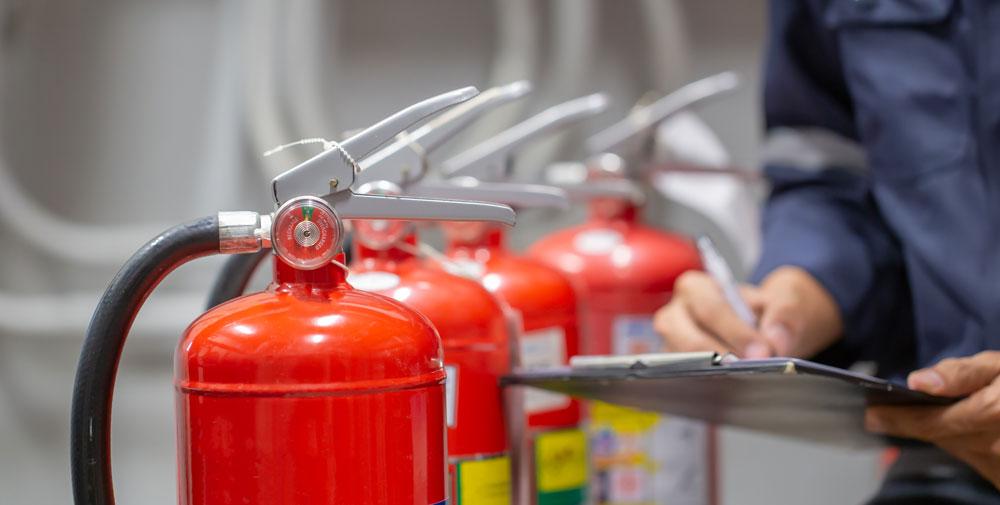
NHS SBS’s combination of both passive and active fire safety measures makes it an indispensable resource, covering the implementation of fire-resistant materials and structures like fire doors and fire-resistant walls, as well as the installation and maintenance of fire detection and suppression systems, such as smoke alarms, fire extinguishers, and sprinkler systems.
Available Lots
This framework agreement has been split into ten different lots, organised by category. Lot 1.1, 1.2, and 1.3 deal with fire safety, the former on passive fire safety, the middle on active fire safety, and the lattermost on fire risk assessments and consultancy services. Lots 2.1 and 2.2 concern asbestos management and removal, respectively.
The maintenance, design and installation of lifts is found under Lot 3, Legionella and water treatment services under Lot 4, and PAT testing under Lot 5.
Lot 6 comprises authorising engineer and Lot 7 handles pneumatic tube systems.
The range of available suppliers is extensive and set to further expand, including Pennington Choices Limited, Scrubs Contract Services Ltd, Hydrock Consultants Ltd, and BLS Asbestos Limited.
On the framework, senior category manager at NHS SBS, Brendan Griffin-Ryan, said: “The increased emphasis on fire safety brought about by the dreadful Grenfell Tower disaster has shown that some NHS buildings fail to meet modern safety standards and underscores why fire safety compliance and protocols are paramount….
“The NHS must prioritise fire safety to prevent similar incidents similar to Grenfell from occurring in healthcare settings, where the impact could be catastrophic.
“Our framework agreement provides the NHS with a comprehensive range of services. It aligns with key health and safety regulations – ensuring seamless integration and adherence to all compliance in critical areas like fire safety, water treatment, and asbestos management, crucial for maintaining the safety and integrity of NHS buildings, protecting patients, staff, and visitors.”
The framework can be found here.